

Fire Prevention Starts at Home
Most residential fires begin in the kitchen, followed by heating systems and electrical faults. Here’s how to reduce the risk:
1. Be Kitchen Smart:
Never leave cooking unattended.
Keep flammable items (towels, oven mitts) away from the stove.
Turn pot handles inward to prevent spills and burns.
2. Electrical Safety:
Avoid overloading sockets.
Inspect wires and replace any frayed cords.
Use only certified power strips and avoid daisy-chaining extension cords.
3. Heating Hazards:
Keep space heaters at least 3 feet from anything flammable.
Have your chimney and furnace inspected annually.
Essential Fire Safety Measures
Preparation can save lives. Take these steps to ensure your family or staff are ready in case of emergency:
1. Install and Maintain Smoke Alarms:
Place alarms on every level of your home, especially near bedrooms.
Test monthly and change batteries twice a year.
Consider installing interconnected alarms for better coverage.
2. Have an Escape Plan:
Create and practice a fire escape plan with all family members or staff.
Identify two ways out of every room.
Designate a safe meeting point outside.
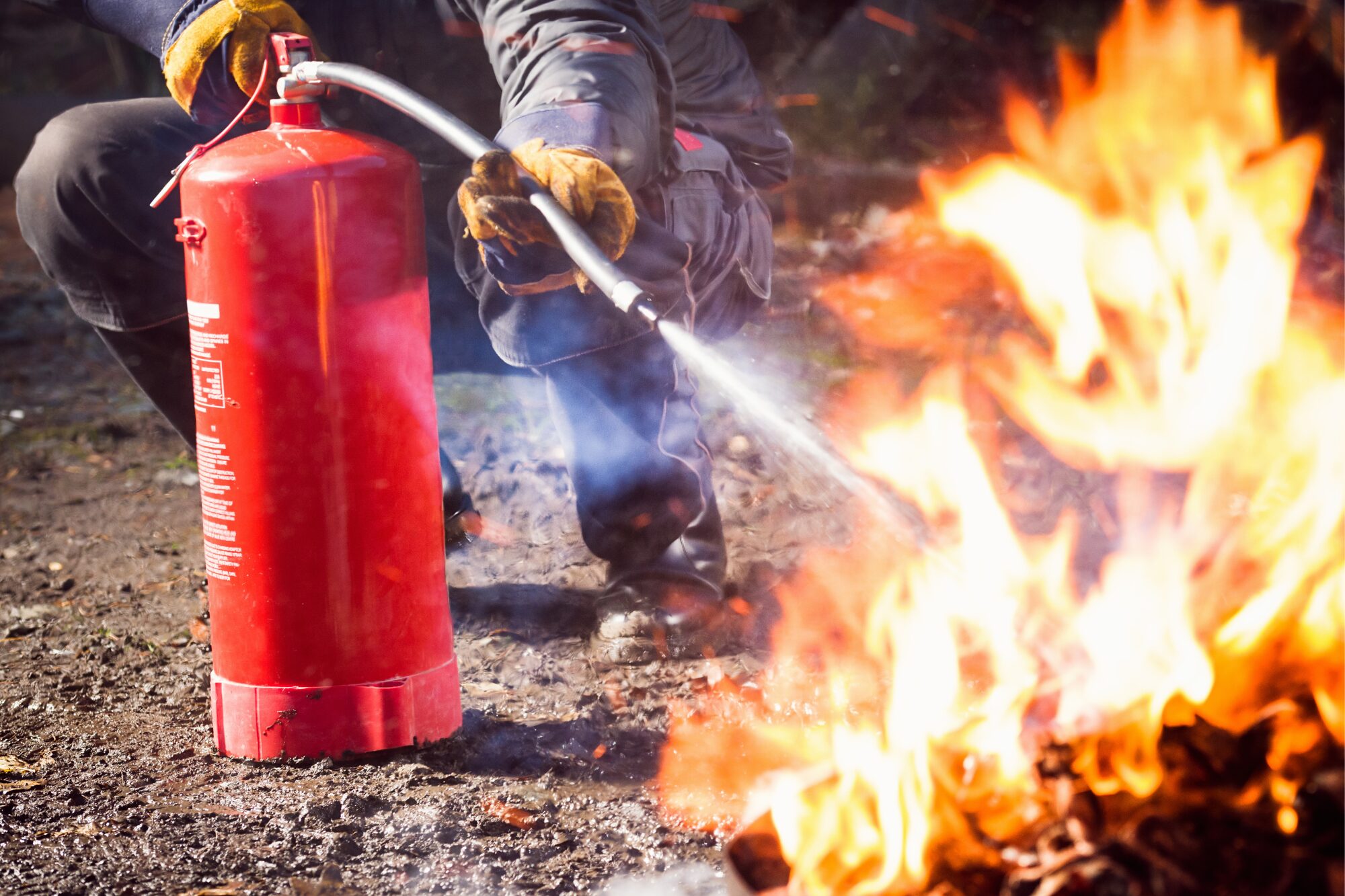
3. Fire Extinguishers:
Keep extinguishers in key areas (kitchen, garage, workshop).
Learn how to use them: P.A.S.S. – Pull, Aim, Squeeze, Sweep.
Get them serviced annually.
✅ Pro Tips & Tricks
- Close doors at night: Closed doors slow the spread of fire and smoke.
- Keep lighters/matches out of reach: Teach children that fire is not a toy.
- Don’t smoke indoors: Especially not in bed. Use deep, sturdy ashtrays.
- Unplug heat-generating appliances when not in use (irons, toasters, hair dryers).